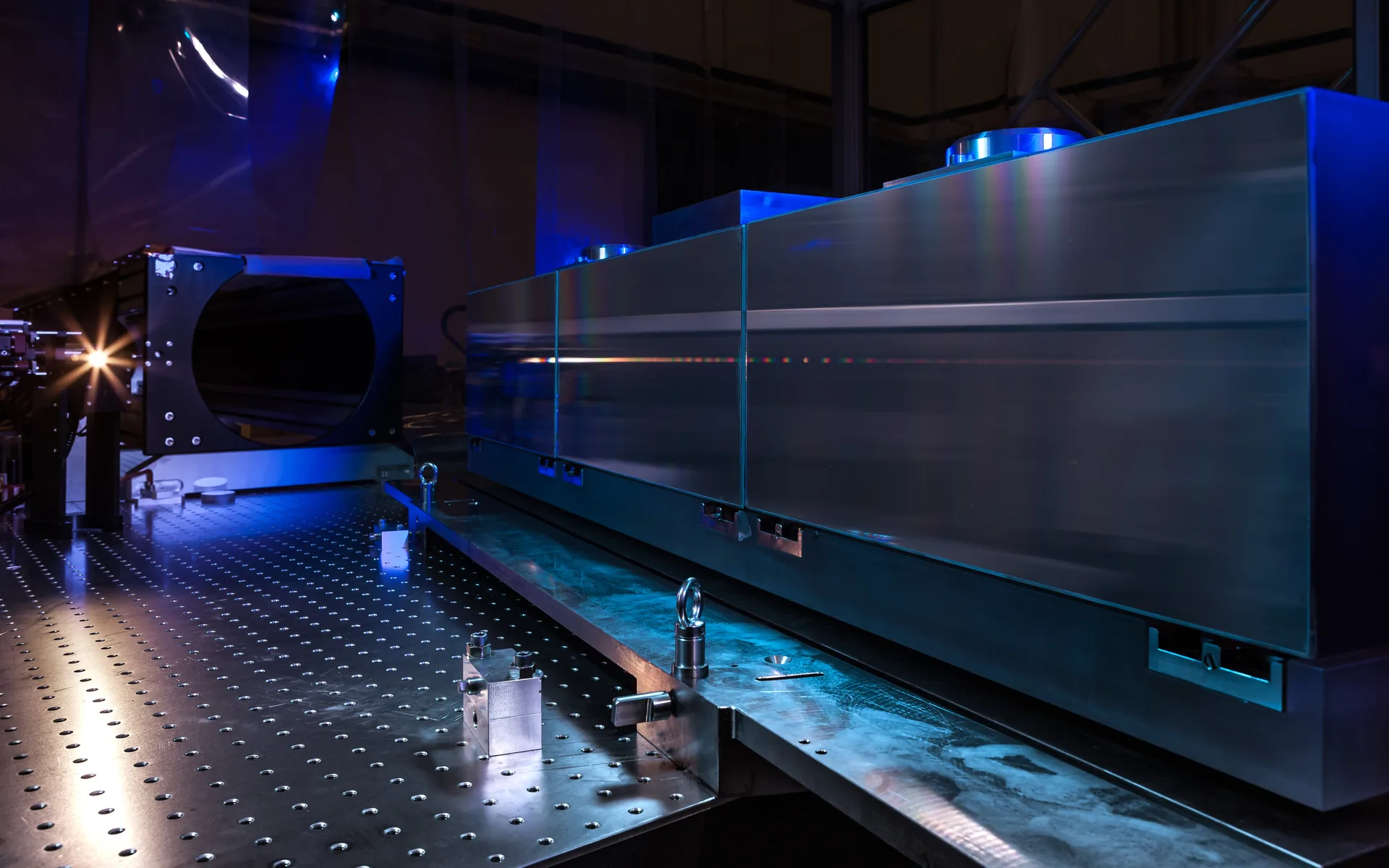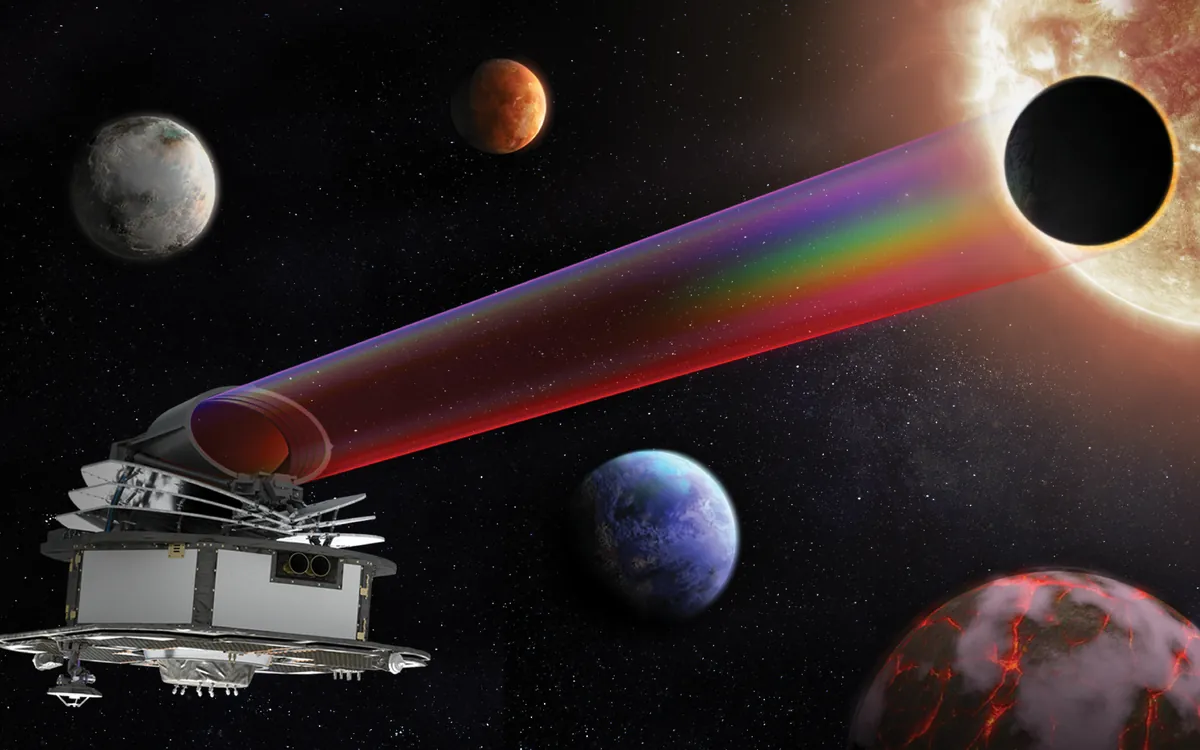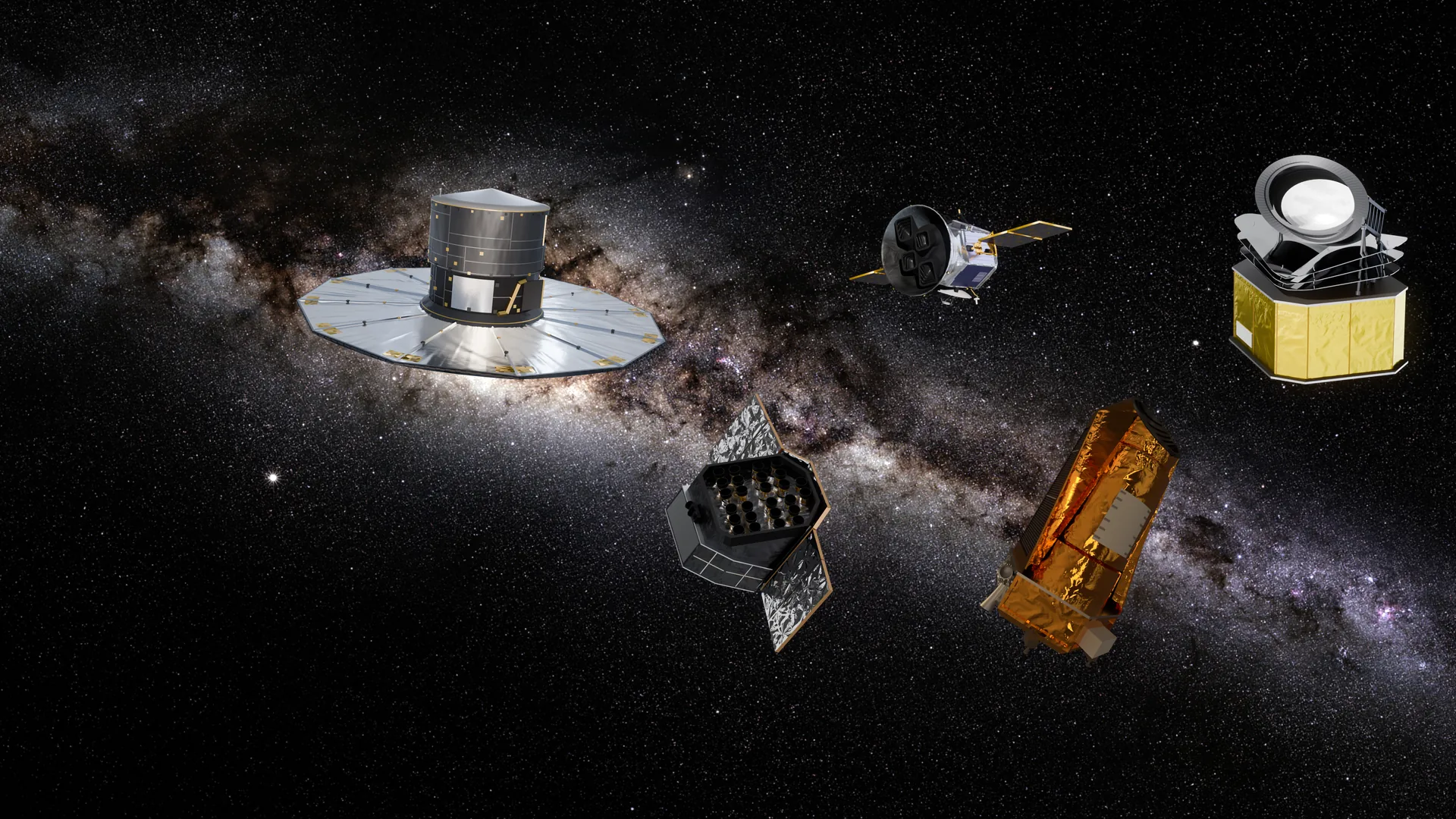
Mock-ups after NASA and ESA references; TESS on NASA 3D Resources mesh; sky ESO/S. Brunier, CC BY 4.0

Research

Explore my work.

2025 to 2027 · PhD work within ArqueoGal

JANUS: chemistry from Gaia spectra

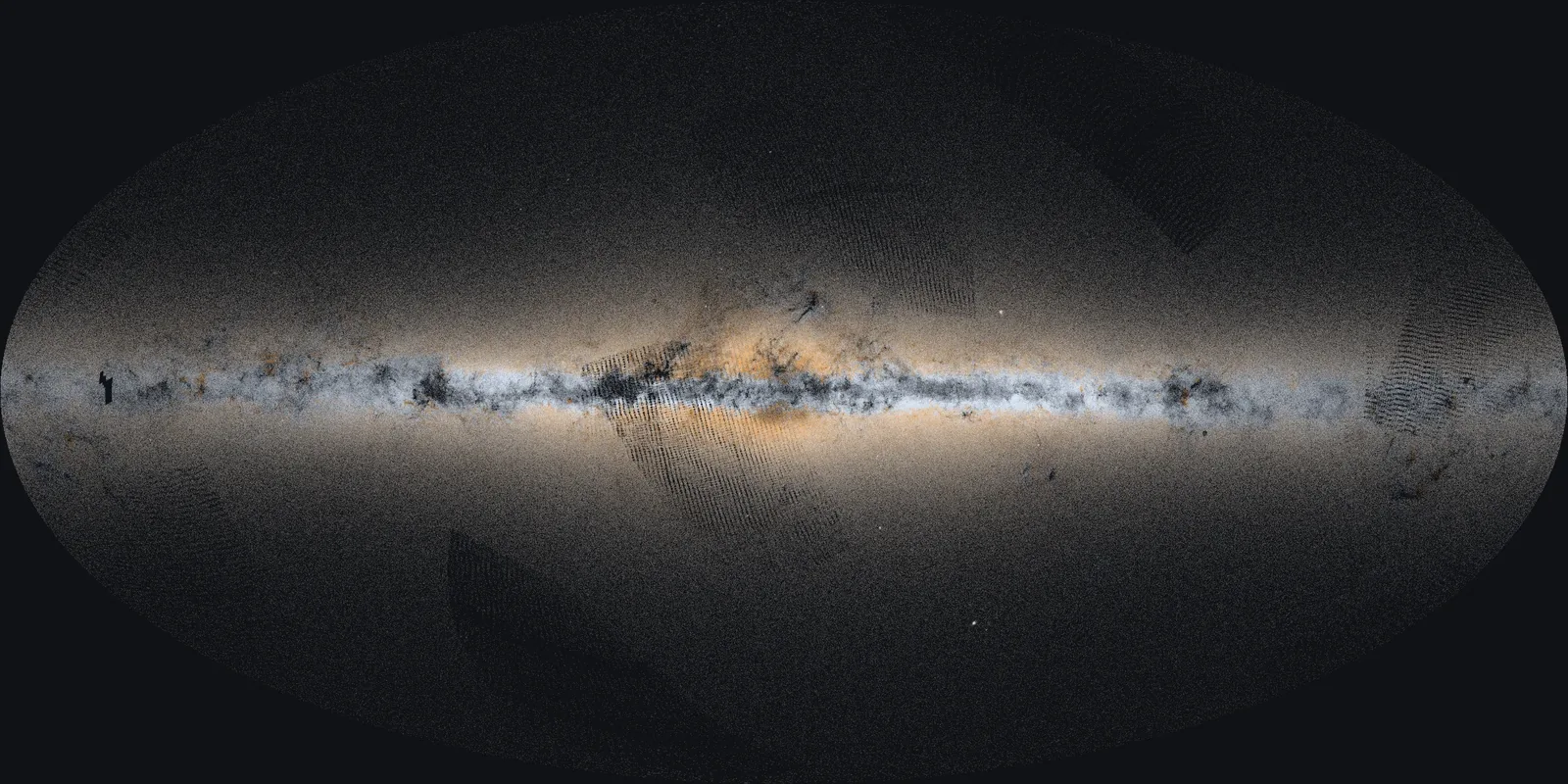
Gaia DR3 holds low-resolution spectra of 220 million stars. JANUS, eight normalising-flow networks (a type of neural network), reads a red giant's parameters and chemical abundances from them and gives each star a probability that those parameters are unreliable. I trained it on stars that Gaia shares with the APOGEE survey and checked it on open clusters and wide binaries.

2026 to 2027 · FCT project 2024.15303.PEX · PI T. L. Campante

ArqueoGal: the project the pipelines serve

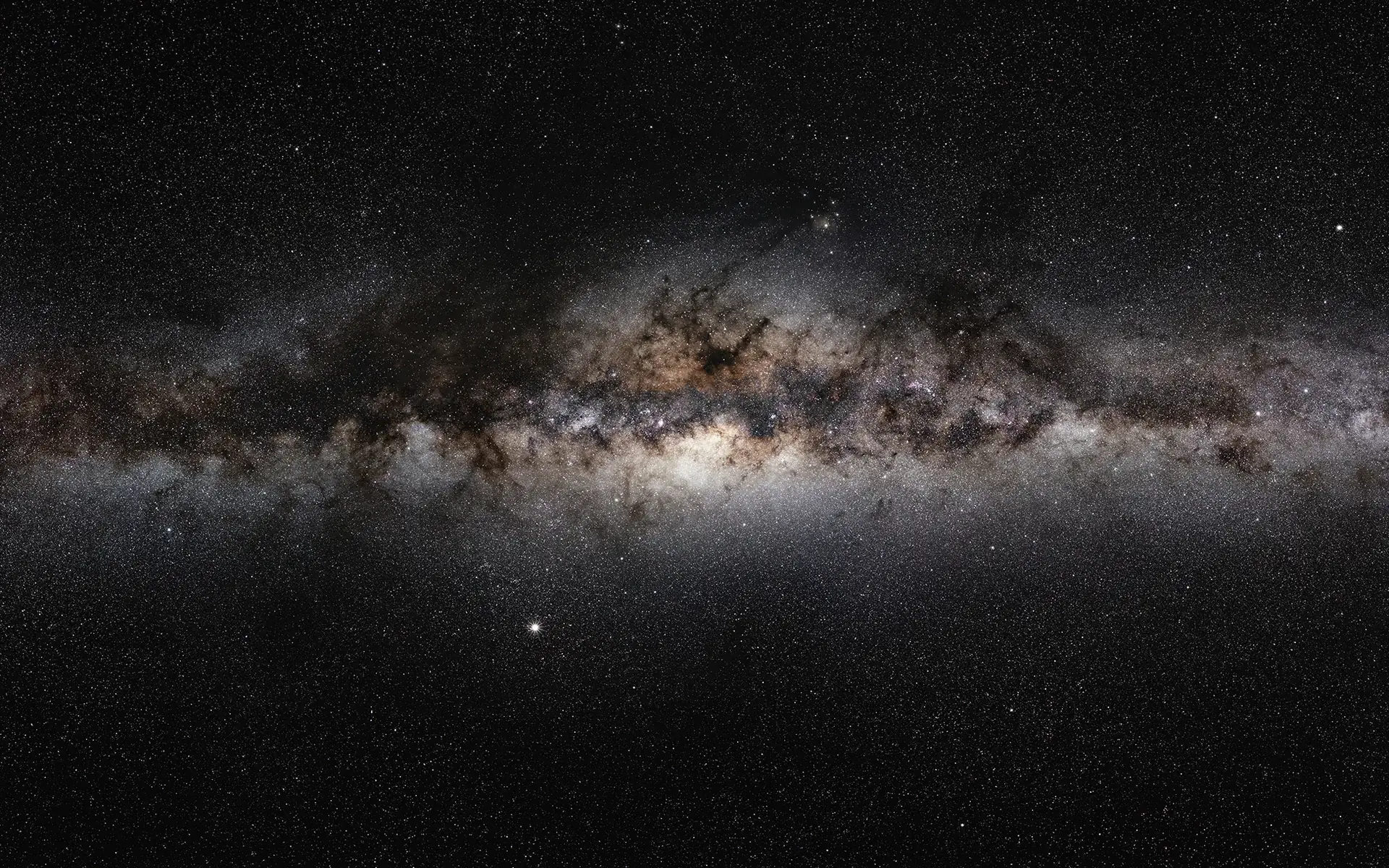
ArqueoGal is an FCT exploratory project on the Milky Way's history, led by Tiago L. Campante. I am a co-investigator and team member, and I develop its machine-learning pipelines: JANUS for stellar properties, Starfold for populations, and a repository that prepares Gaia DR3 and APOGEE DR19 data with provenance. The two FCT computing allocations run that work.

2023 to now · 2025 paper and Starfold

Stellar populations without labels

My 2025 paper in Astronomy and Astrophysics tests a method for sorting stars into populations on a simulated galaxy, and shows where realistic measurement errors break it. Starfold, open source, grew out of it: it picks its own settings, refits to test stability and raises named warnings. On four held-out tables it matched or beat the library defaults on two and lost on two.

2021 to now · TESS, Kepler and ESPRESSO

Asteroseismology: ages from stellar oscillations

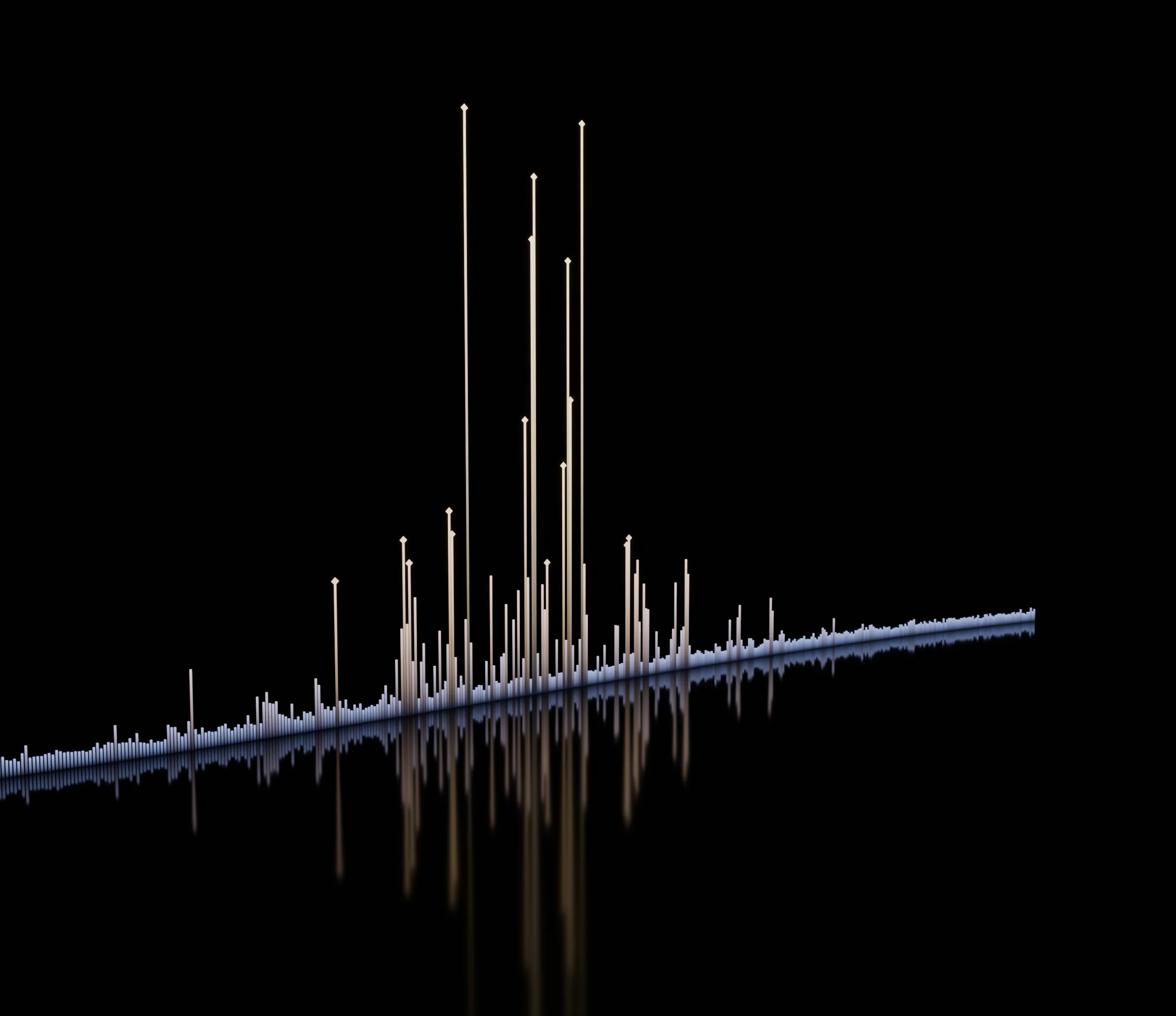
Stars oscillate, and the pattern tells their age. My MSc dissertation measured how this tightens the ages of Sun-like planet hosts in the Ariel target list. With the ESPRESSO spectrograph at the Very Large Telescope I observed on the campaign that detected oscillations in GJ 570 A, and I contributed to Ariel stellar characterisation and to the ε Indi detection. TESS and Kepler data supply the ages.

2025 to now · Deucalion and MareNostrum 5

Supercomputers: where the networks train

Two FCT advanced-computing projects, with me as principal investigator. On Deucalion, 299,520 ARM core-hours (one processor core running for an hour) and 1,500 A100 GPU-hours run JANUS on the Gaia DR3 spectra of about 220 million stars. On MareNostrum 5, 1,002,400 core-hours and 1,000 H100 GPU-hours are for Gaia DR4. Before them I used 94,001 core-hours of development access on Deucalion.

May 2024 · ESO Very Large Telescope, Paranal

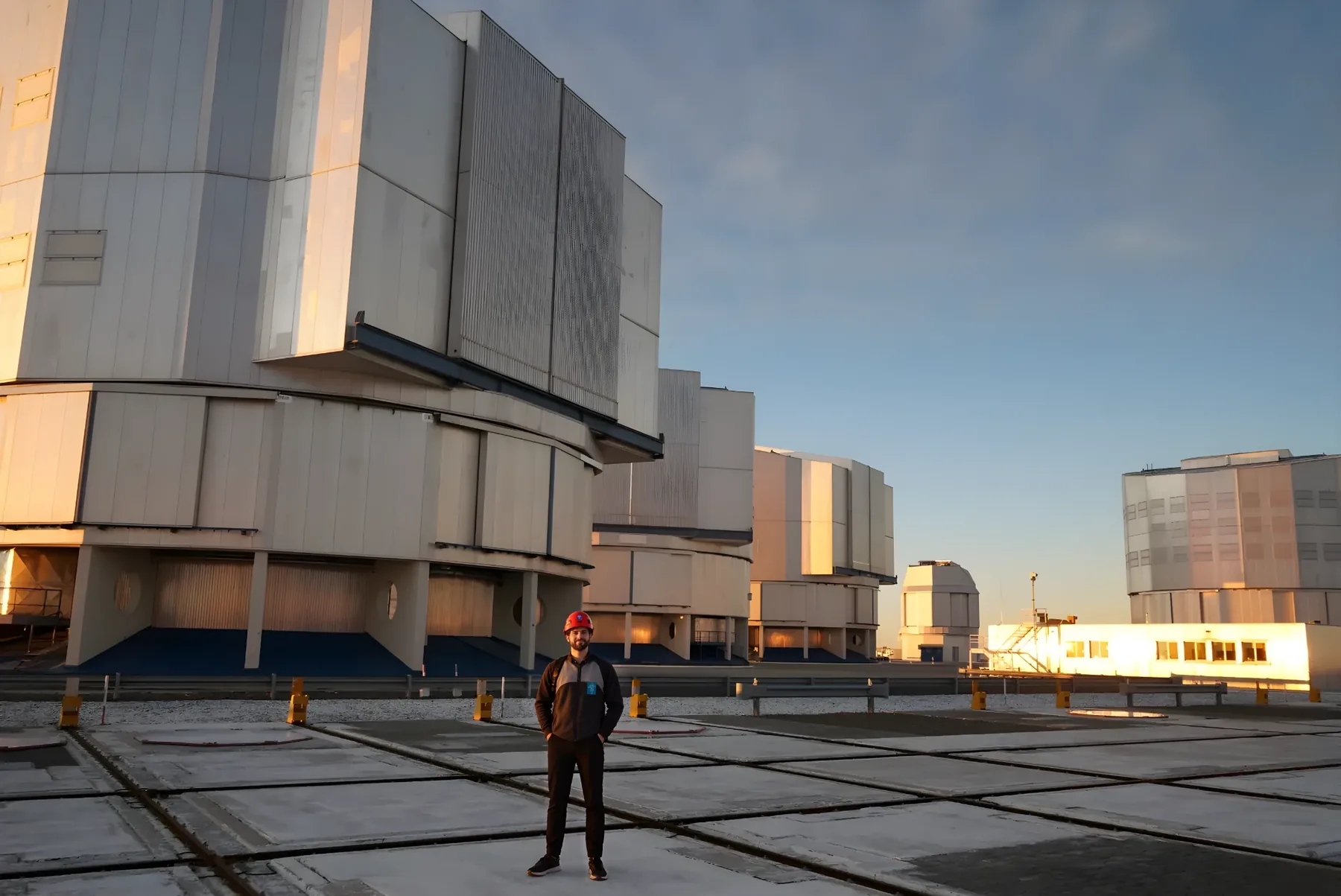
Six nights at Paranal

As visiting astronomer I carried out the ESPRESSO observations of GJ 570 A, a nearby star somewhat cooler than the Sun. Over five usable nights, from six allocated, we took 2,369 spectra, of which 2,250 gave usable velocity measurements, and the star's oscillations emerged from them. The paper is now published in Astronomy and Astrophysics.

2025 to 2026 · INAF-OAS Bologna

HAYDNsim: noise forecasts for crowded clusters

HAYDN is a proposed ESA mission to study stellar oscillations in dense star clusters. During a six-month secondment in Bologna I wrote HAYDNsim, which builds a synthetic cluster field, runs it through the mission's noise estimator on Deucalion, and returns the noise and the share of borrowed light for every star. I presented a poster at TASC10/KASC17; the paper is in preparation.

Papers, explained

The list with DOIs