What is Galactic archaeology?
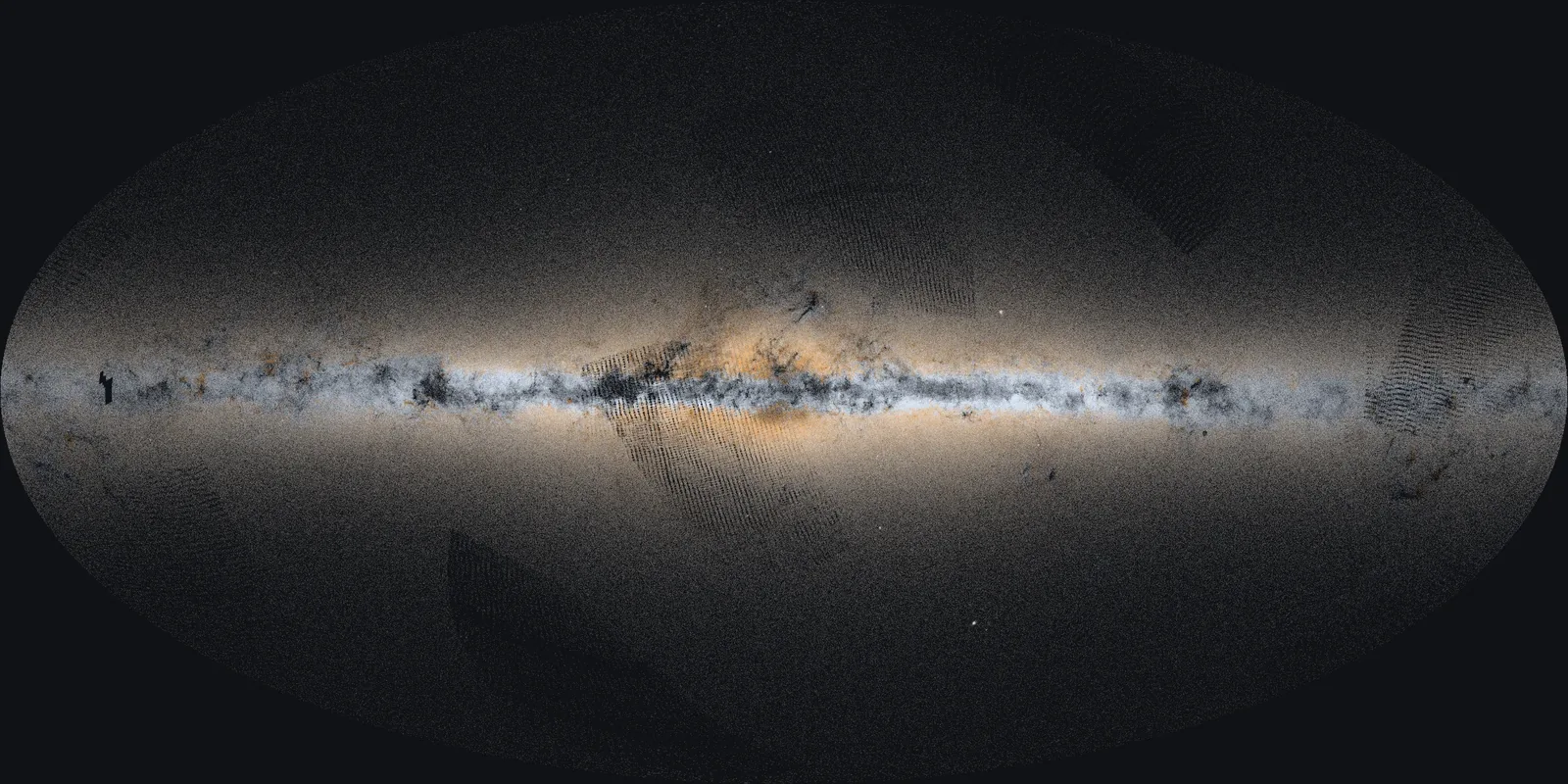
Galactic archaeology uses the ages, chemistry and orbits of stars to work out how the Milky Way was assembled.
The science, institutions and machines behind my work, one minute each, with sources.
Galactic archaeology uses the ages, chemistry and orbits of stars to work out how the Milky Way was assembled.
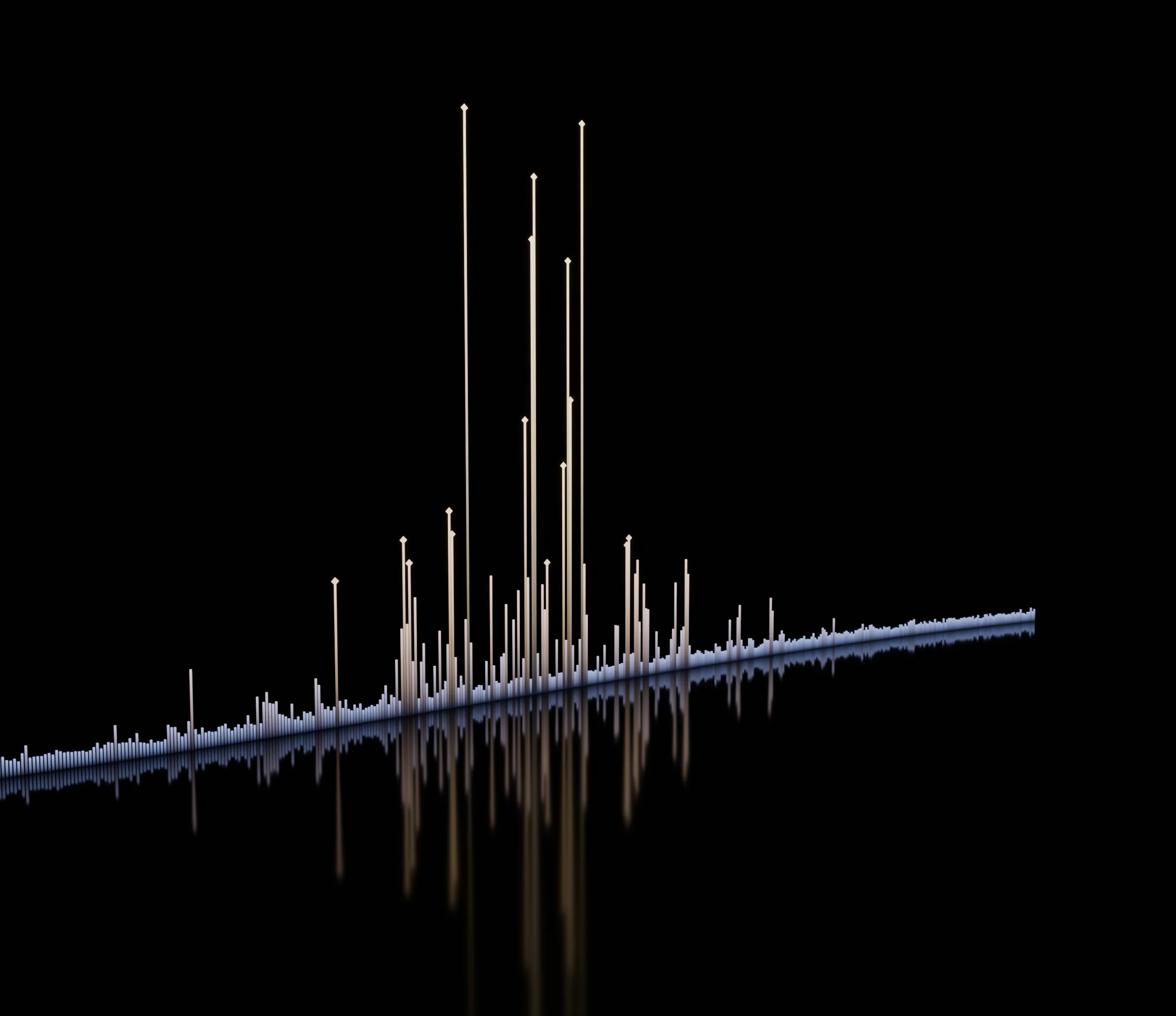
Asteroseismology measures a star's size and mass, and through models its age, from the way the star vibrates.
Gaia is an ESA space telescope that mapped where nearly two billion stars are and how they move.
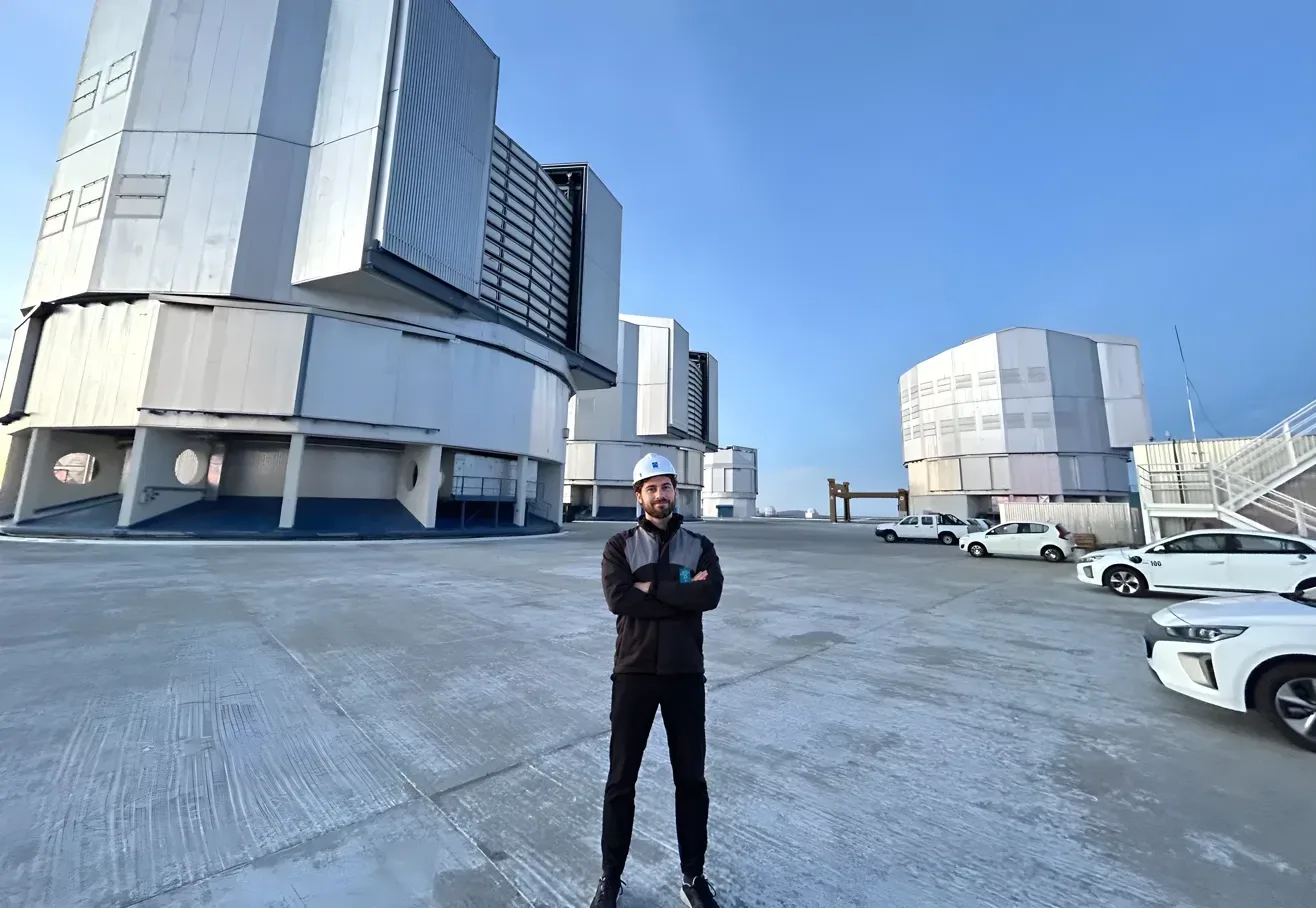
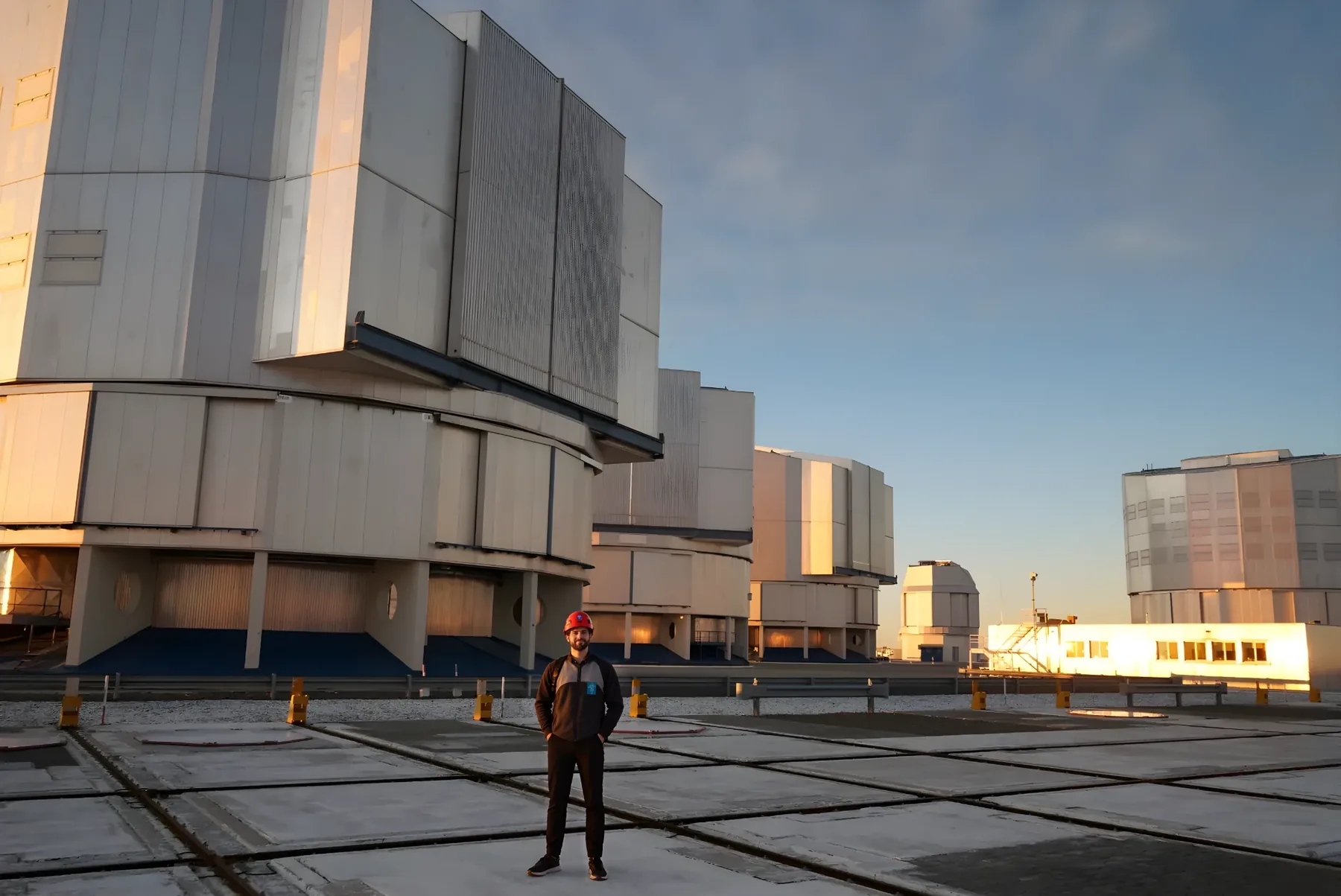
ESO is an intergovernmental observatory that builds and runs large telescopes in Chile, among them the Very Large Telescope at Paranal.
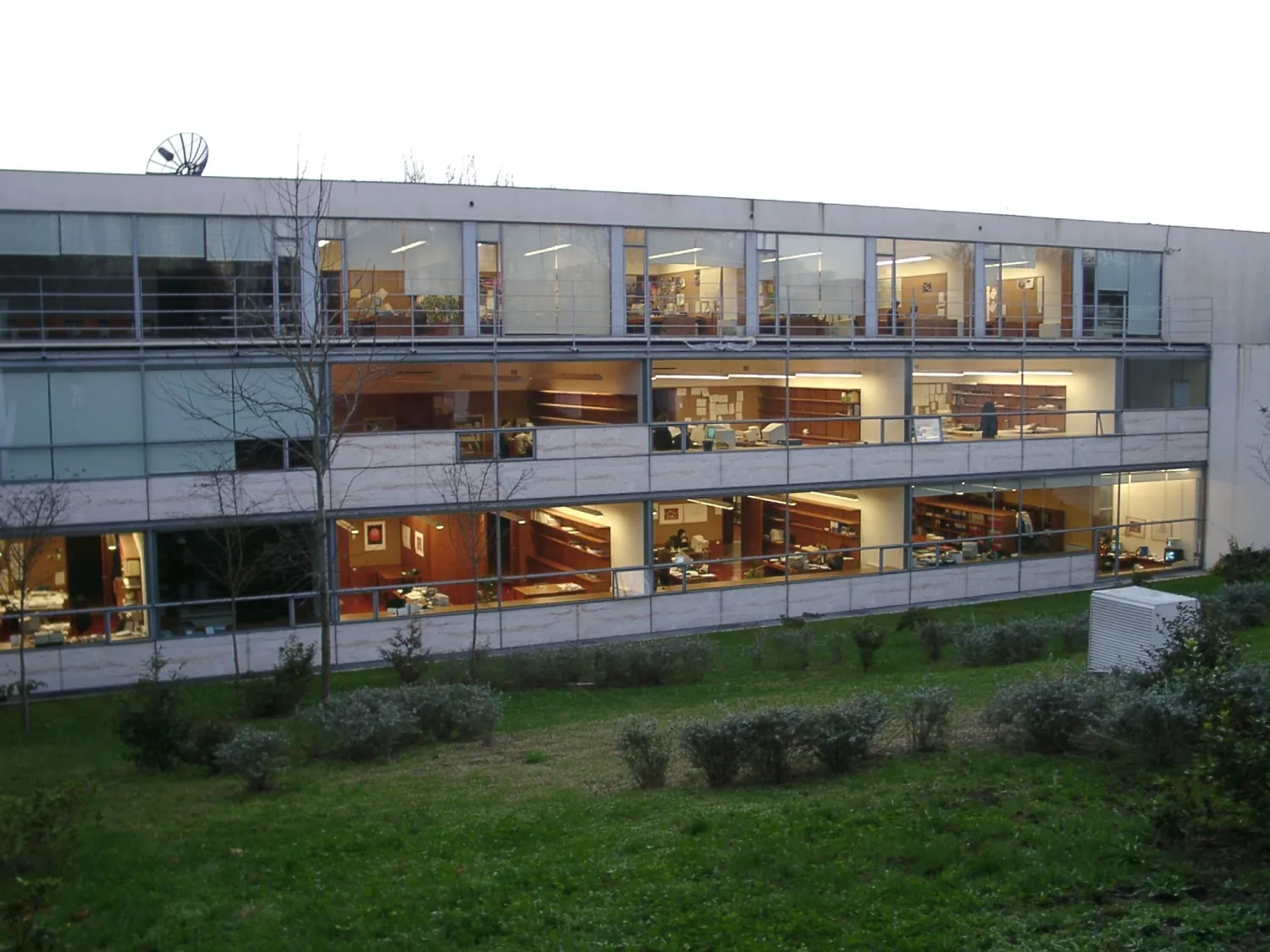
INAF is Italy's national institute for astrophysics, and its research centres include observatories in Bologna and Padova.
IA is a Portuguese research institute for astronomy and space science, and FCT is the public agency that funds research in Portugal.
HAYDN is a proposed space telescope to measure the vibrations of stars in crowded clusters, where today's missions cannot tell the stars apart.
PLATO is a European space telescope made of 26 cameras that will search more than 200,000 stars for Earth-sized planets and measure those stars through their oscillations.
Ariel is a European space telescope that will read the atmospheres of about a thousand planets around other stars, and it needs to know each host star well.
A supercomputer links thousands of processors with a fast network, so that one scientific job can use far more computing power than any single machine.
Kepler and TESS are NASA space telescopes that track the brightness of many stars for weeks to years, long enough to see them oscillate.
Machine learning carries measurements from well-studied stars over to millions of others, and finds groups of stars that nobody labelled.